Common reject triggers
- Barcode, 2D code, OCR, label, or print mismatch
- Vision inspection fail from upstream equipment
- Wrong product, missing component, bad orientation, or bad count
- PLC, sensor, scanner, HMI, or operator-driven fail output

SSI designs knock off and reject handling systems from Rockford, IL that turn an inspection fail, barcode mismatch, label issue, or line-control decision into a defined response: reject, alarm, stop, hold, count, or log.
Fastest start: send line photos, throughput, product size, spacing, fail signal source, reject location, and any confirmation or logging requirements.
Prefer email or phone? sales@ssi-co.com or 815.315.0863.
Many lines can detect an exception. The harder work is removing or controlling the right item without creating a second issue. SSI scopes reject timing, product handling, confirmation sensing, operator feedback, and recovery behavior around the real line constraints.
The right package depends on product spacing, line speed, reject distance, fail signal timing, recovery behavior, and the record the customer needs after a failed part.
Best when the line has a tight reject window and the product must be tracked from inspection to removal.
Best when product position is predictable and a simpler station can remove failed parts without high-speed tracking.
Best when physical removal is not the right action, or when the first phase is to control operator response and records.
SSI starts with the closest practical platform, then scopes timing, mechanics, controls, guarding, confirmation, records, and installation details around the actual production line.
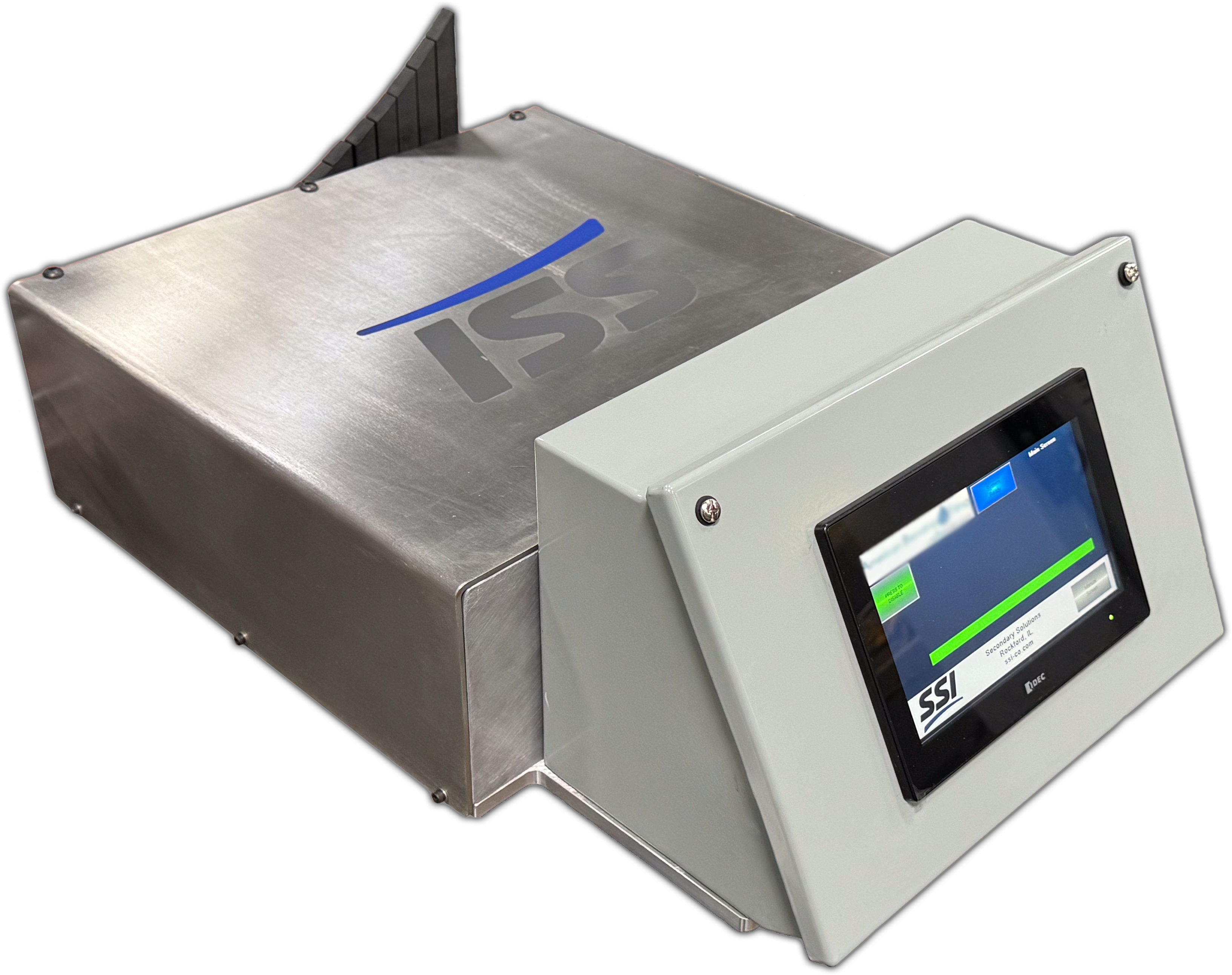
Encoder-synchronized reject handling for tight reject windows, close spacing, and high-throughput production lines.
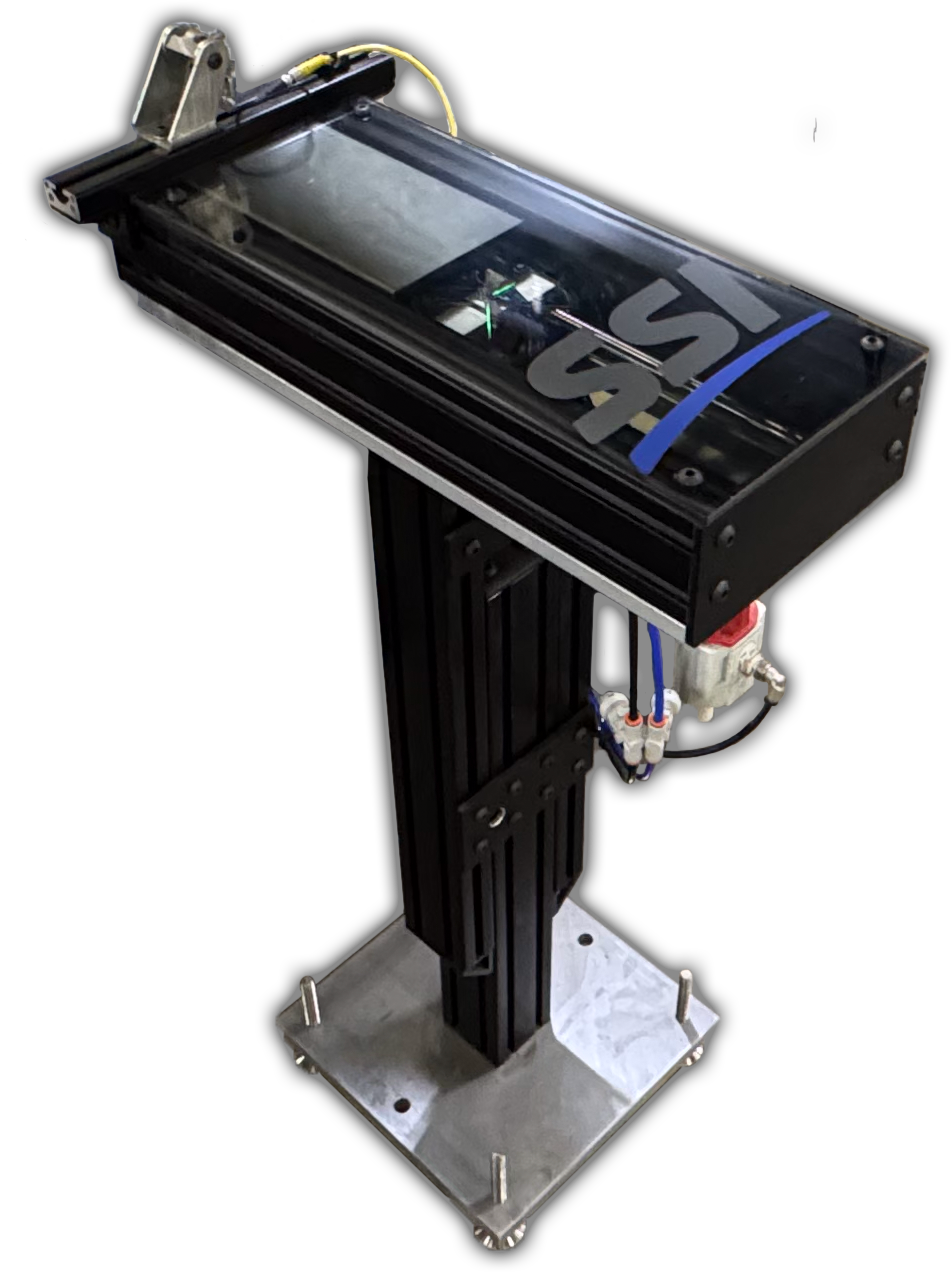
Sensor-timed reject control for moderate-speed lines that need dependable removal and straightforward service access.
Use this sequence to scope how the system detects the bad item, tracks it to the reject point, acts at the right moment, confirms the result, and records the event.
Vision, scanner, sensor, PLC, HMI, or operator logic defines the fail event.
Line speed, spacing, trigger method, and reject distance locate the target item.
The system rejects, diverts, stops, holds, alarms, prompts, or logs as scoped.
Confirmation sensing checks reject action, actuator position, bin state, or miss.
Counts, timestamps, faults, CSV, database, HMI, MES, or PLC status are added.
A short line video, product photos, and a clear fail-action goal usually expose the largest quote risks early: timing, force, spacing, controls, confirmation, and records.
These answers help buyers send enough context for SSI to choose the right reject path before detailed controls and mechanical scope are finalized.
Send line photos or a short video, throughput, product size and spacing, fail signal source, reject location, desired action, confirmation needs, and any PLC, HMI, MES, CSV, or database record requirements.
High-speed systems fit tight reject windows, high throughput, close spacing, or distance-based tracking needs. Standard knockoff systems fit moderate-speed lines where product position is predictable and the reject point can be sensor-timed.
Yes. SSI can scope the reject action around an existing pass/fail output when the signal timing, product tracking, handoff point, and required recovery behavior are clear enough to review.
Reject confirmation can be scoped with sensors, actuator extend/retract checks, bin or chute status, downstream presence checks, or another line-specific method. The correct approach depends on the product and reject path.
Missed-reject, jam, full-bin, or actuator-fault behavior can be scoped as an alarm, stop, hold, operator prompt, record, or restart lockout depending on how the customer wants the line to recover.
Send photos, throughput, product size, fail signal, reject location, desired action, confirmation needs, and integration constraints. SSI will help determine whether a High-Speed Knockoff, Standard Knockoff, or custom reject response is the right fit.