| Inspection coverage |
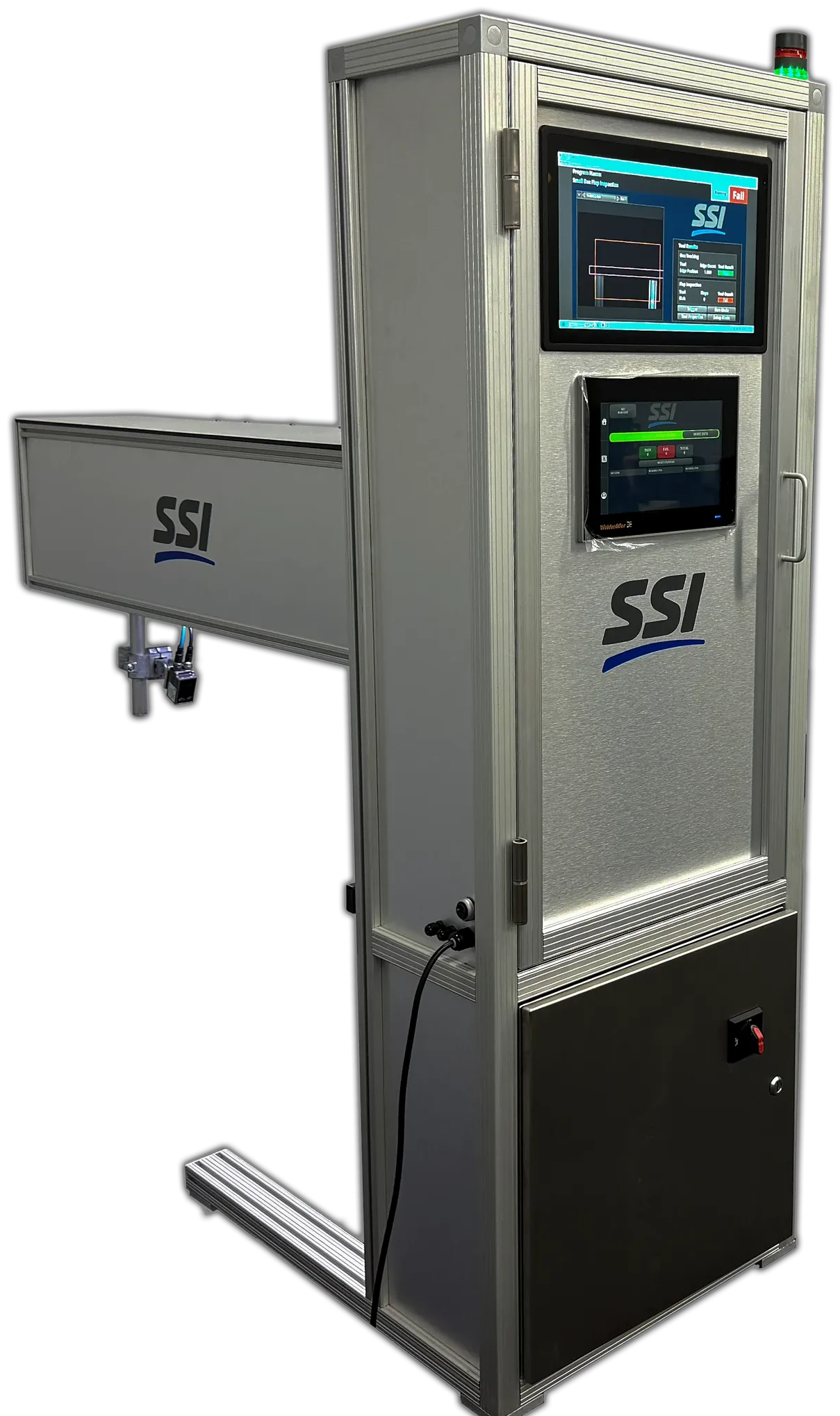
Best when multiple sides, labels, codes, or features must be checked in motion. |
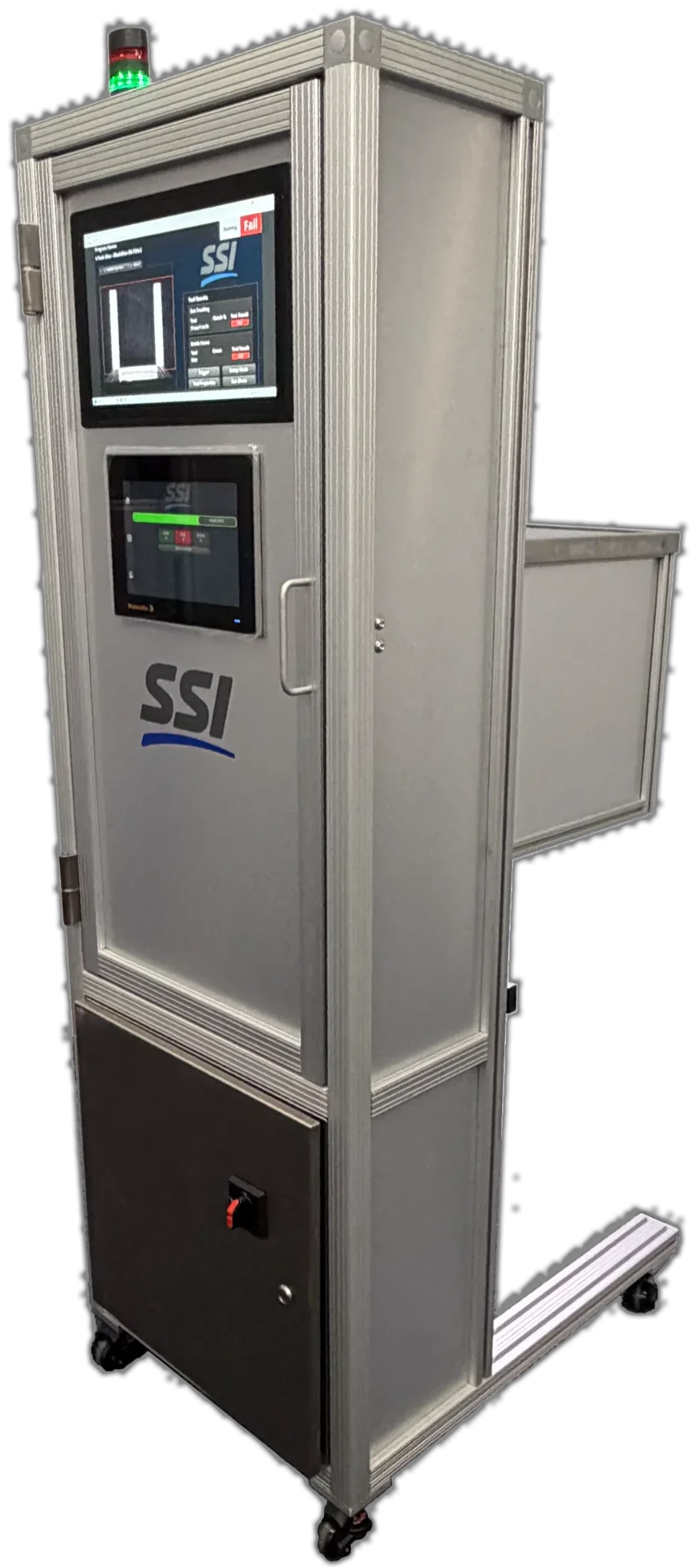
Best when one visible face, code, label, or feature is the primary checkpoint. |
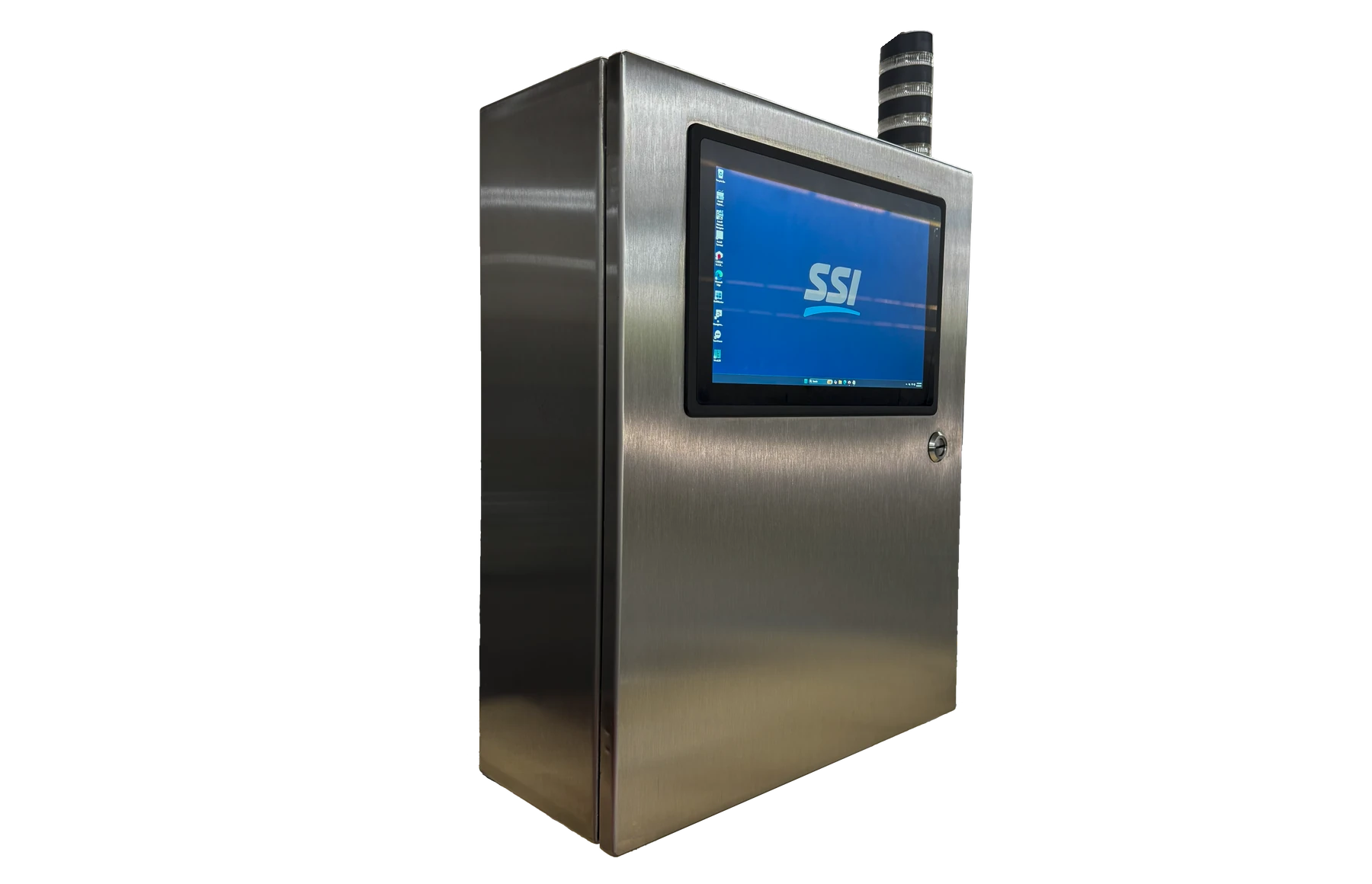
Best when a self-contained camera and HMI can verify presence, orientation, label, assembly, or defect conditions. |
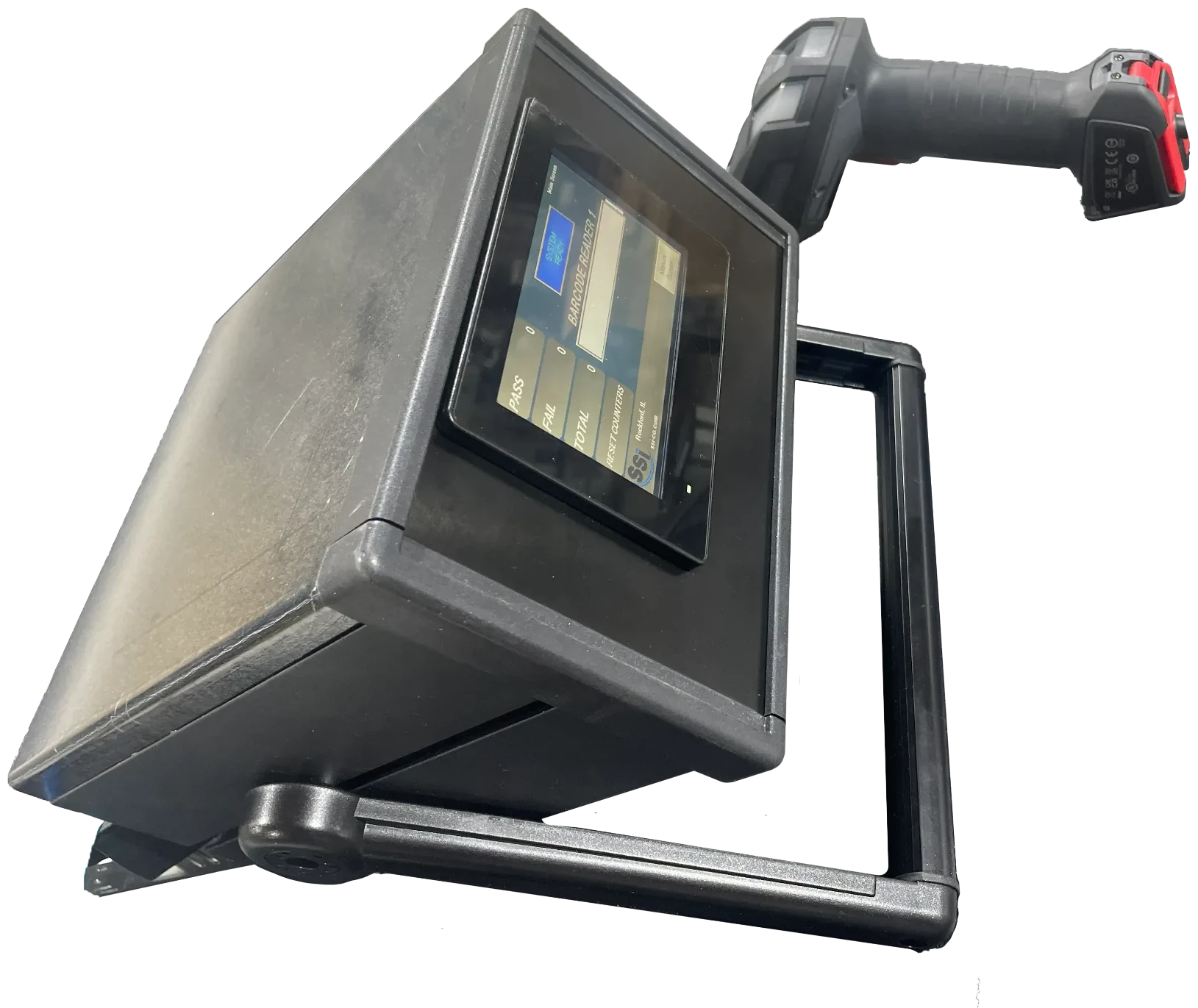
Best when barcode, QR, OCR, expected-code, date, lot, or label-readability checks drive the workflow. |
| Line behavior |
Continuous inline flow with controlled spacing, triggers, and reject timing. |
Station, fixture, line-side, or operator-assisted flow with compact footprint. |
Line-side or station flow where the camera has a stable target view and practical operator access. |
Operator-forward console flow for focused code, label, and expected-value verification. |
| Fail response |
Reject, stop, hold, alarm, log, image capture, or downstream quality decision. |
Operator prompt, pass/fail display, stop/go output, alarm, hold, or logged event. |
HMI pass/fail, alarm, quality hold, stop/go signal, image review, or downstream action as scoped. |
HMI prompts, counts, alarms, stop/go outputs, CSV, database, MES, or label-system handoffs. |
| Best first evidence |
Line video, spacing, product orientation, target sides, target speed, and reject point. |
Part photo, target inspection face, station layout, trigger method, and operator flow. |
Inspection goal, product photos, camera location, acceptance criteria, network needs, and support expectations. |
Code samples, expected values, label examples, HMI workflow, data output, and exception handling rules. |